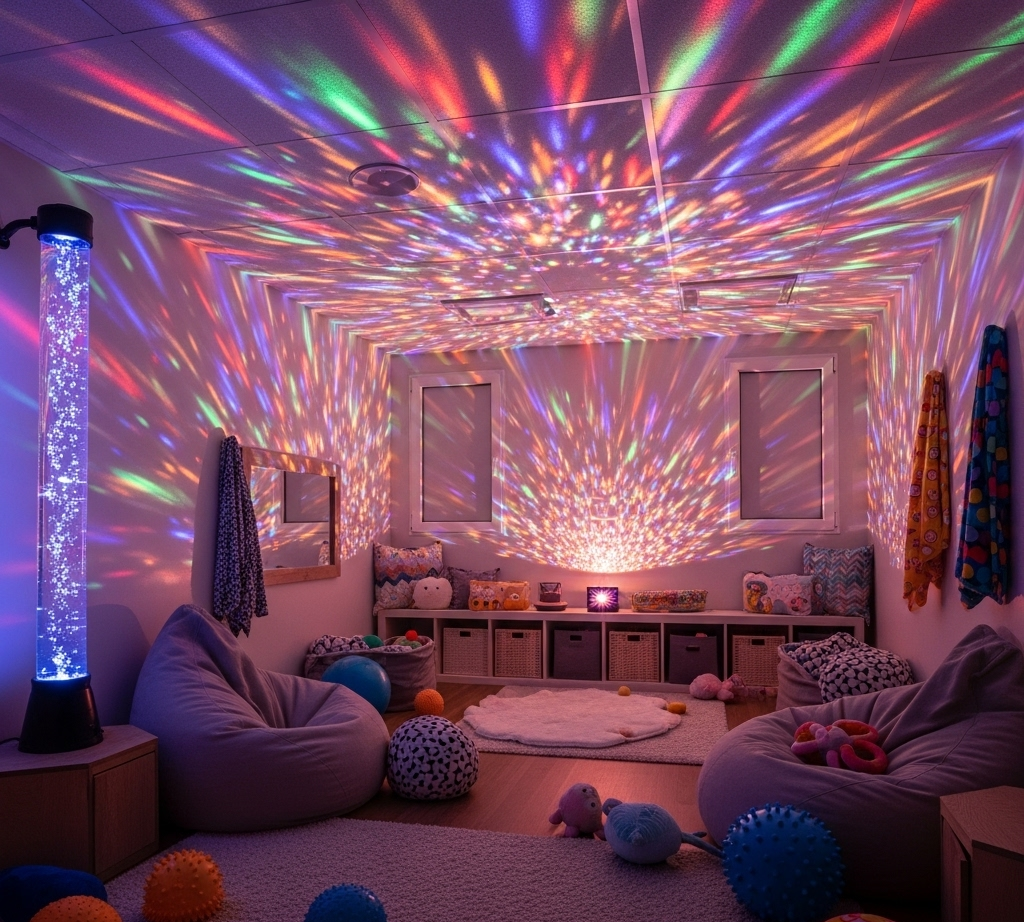
Today, I want to enter a special place: the sensory room. In our “Design For Ability: Beyond The Obvious” series, we’ve touched on how light, sound, smell, and touch influence our everyday lives. Now, let’s put all of these topics together to understand how sensory spaces can offer a respite for those seeking calm or regain focus.
Imagine a room where the lighting, textures, & sounds are carefully picked to soothe you, draw you in, or wake up your senses in a gentle manner. It is an environment specially designed to help you manage the sensory input with the purpose of dialing down your anxiety and feeling more at ease. Why is this space so powerful? Well, one particular year, I was able to gain a better understanding of the impact when I had a classroom next door to the occupational therapy office that also served as the sensory room. Watching kids find peace, calm their agitation, and even start to understand what tools would be able to manage their own personal sensory needs, just steps away, was a thought-provoking experience as I look at it retrospectively.
The “Why” and “What” of Sensory Rooms
The intent of a sensory room is to be a therapeutic spot built to give you a personalized sensory experience. Often times, you’ll find it filled with all sorts of tools and materials meant to offer specific types of sensory, maybe something calming, something to perk you up, or something to help you get grounded. Think for a moment about how overwhelming a chaotic, overstimulating environment can feel. For many people, especially those navigating sensory processing differences, ADHD, or living on the autism spectrum, everyday places can be utterly, completely overwhelming. This can easily spiral into distress, anxiety, or even a full-blown meltdown. Can you imagine trying to concentrate when every little sound feels like a siren, every light is blinding, or the fabric against your skin feels like sandpaper? This can be exhausting, and it can turn just being into a monumental challenge.
Then you have people on the other end, who are less sensitive to what’s going on around them. They need things to be more intense – think spicy foods, loud concerts, or a good run – just to feel properly engaged and in their own skin. A sensory room is a solution for both sensory seekers and avoiders. It’s a space you can control, either to dial down the chaos of the outside world or to get the specific, intense feedback your body is asking for. You can think of it as creating a custom-tailored “sensory diet” to help your brain find that just-right feeling of being balanced and present.
The Sensory Reset: How Spaces Restore Balance
Let’s think about our own senses—they’re on the job 24/7, trying to piece together and process the world around us. When everything is running smoothly, you feel pretty good, right? You’re centered, grounded, focused, and ready to take on the day. But when the system is overloaded or isn’t getting enough information, things can go sideways. You might feel edgy, cranky, fidgety, or just plain overwhelmed by it all. The point of a sensory room is to give your brain the right kind of feedback it’s craving so it can get back on track and handle everything better. You can think of it as an opportunity to reset. And the payoff one may ask? A sense of calm and the feeling of things being more manageable. This is more than just hanging out; it’s about building a strong base for learning new things, connecting with people, and just getting through the day-to-day grind.
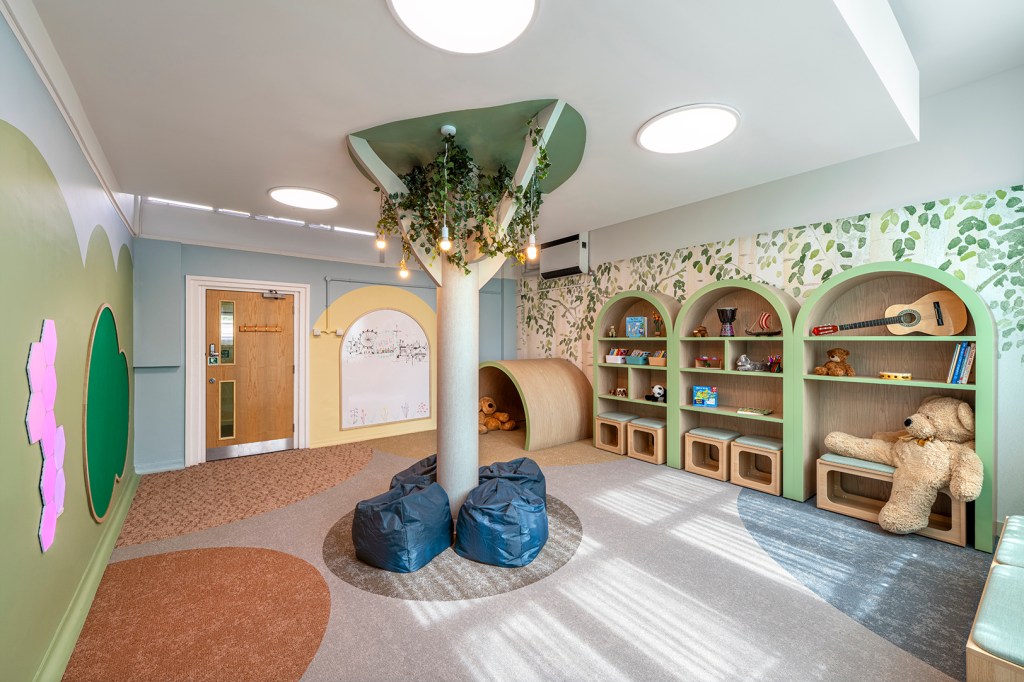
Let’s look at the many ways a sensory room makes this happen:
- Visual Calm: Imagine soft, dimmable lights, delicate fiber optic strands that gently shimmer, bubble tubes with their mesmerizing, slow-moving colors, or projectors casting peaceful, calming patterns. These elements work together to create a visually soothing atmosphere. They cut down on visual clutter and give your eyes a gentle focal point, allowing them to truly rest from the relentless visual bombardment of our daily lives.
- Auditory Comfort: Often, quiet is absolutely key. But some sensory rooms add in calming, low-frequency music, gentle nature sounds, or even white noise to help mask distracting outside sounds. Acoustic panels on the walls and soft furnishings soak up echoes, creating a much more tranquil soundscape, which makes it easier for your ears (and your brain) to settle down.
- Tactile Engagement: As we touched on in our last article, the sense of touch holds incredible power. Sensory rooms often feature a wonderful variety of textures—think super soft pillows, comforting weighted blankets walls with interesting textures, or even sensory bins overflowing with rice, beans, or water beads. These let you explore and self-soothe through touch, providing deep pressure or varied input that can feel profoundly grounding and organizing.
- Proprioceptive and Vestibular Input: Movement and deep pressure are truly vital for feeling regulated. Swings that offer gentle rocking or stronger spinning, crash pads for safe, controlled impact, balance beams for coordination, or even just soft mats for rolling and stretching can provide immensely valuable proprioceptive (that’s your body’s awareness in space) and vestibular (your sense of balance and movement) input (Lane & Lane, 2020). These activities genuinely help your brain understand where your body is and how it moves, leading to a greater sense of control and organization.
Designing for Success: Key Ingredients for an Effective Sensory Room
Designing a great sensory room isn’t just about throwing a few “sensory” gadgets into a space and calling it a day. It demands thoughtful consideration of each person’s individual needs, the specific goals for the room, and how all those different elements will play off each other. The best sensory rooms are incredibly versatile, allowing for both active, playful exploration and quiet, peaceful retreat. They’re adaptable to a wide range of sensory preferences, because what calms one person might overwhelm another (Nickels, 2023).
Here are some key ingredients you’ll often discover in a well-designed sensory space:
- Adjustable Lighting: Being able to dim lights, change their colors, or introduce specific visual stimuli like fiber optic strands means the room can be customized for anyone, whether they need to feel alert or completely relaxed.
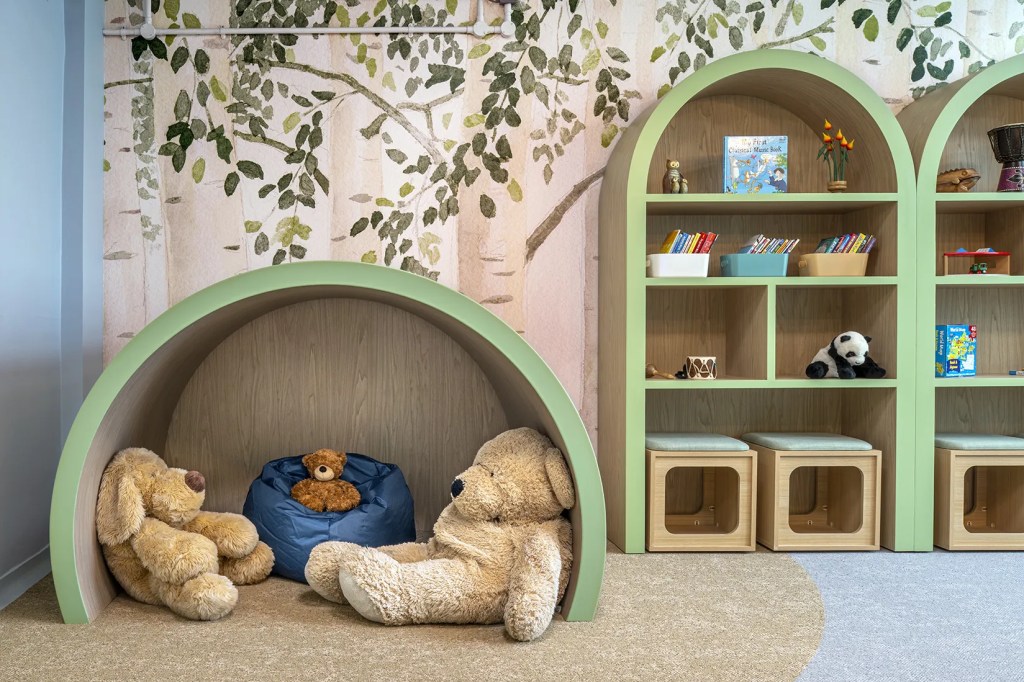
- Comfortable Seating: Imagine beanbags that perfectly mold to your body, huge cushions you can sprawl out on, or even suspended chairs that offer a gentle, calming swing. These provide cozy and often proprioceptively stimulating seating options.
- Textural Variety: Incorporating different textures through soft fabrics on furniture, plush rugs, smooth surfaces, and dedicated tactile exploration tools allows for incredibly diverse sensory experiences. Picture a serene corner with soft, luxurious materials contrasted with a more active area featuring rougher, more stimulating textures.
- Sound Control: Whether it’s through soundproofing materials, a white noise machine to block out irritating external distractions, or calming music specifically chosen to promote relaxation, managing the auditory environment is absolutely crucial.
- Movement Opportunities: Swings that allow for linear (back and forth) or rotational (spinning) motion, small trampolines, crash pads, or simply open space for rolling, crawling, and stretching can be incredibly regulating. These provide essential vestibular and proprioceptive input that many brains crave.
- Fidget and Manipulation Tools: A variety of fidget toys, stress balls, textured tangles, or other manipulatives offer discreet ways to self-regulate through tactile input. They’re perfect for helping to channel excess energy, reduce anxiety, or simply improve focus.
- Weighted Items: Think weighted blankets, lap pads, or vests. These offer deep pressure input, which has a powerfully calming and organizing effect on the nervous system by influencing autonomic nervous system regulation (Chen et al., 2016). This sensation is often described as feeling like a gentle, reassuring hug
- Subtle Aromatherapy: While not ideal for everyone, subtle, calming scents from essential oil diffusers (like lavender or chamomile) can really add to a relaxing atmosphere. Of course, this needs to be used thoughtfully to ensure it doesn’t overwhelm sensitive individuals.
Who Benefits Most from Sensory Rooms?
While sensory rooms can genuinely help just about anyone looking for a moment of calm, they truly make a profound difference for:
- Individuals with Sensory Processing Disorder (SPD): For them, these spaces offer a controlled environment to either lessen overwhelming sensory input or provide the intense input they crave, ultimately helping them organize their sensory experiences much better (Lane & Lane, 2020).
- People on the Autism Spectrum (ASD): Sensory sensitivities are incredibly common for those with ASD, and a sensory room can be a vital safe haven for self-regulation and de-escalation during moments of intense overwhelm or anxiety (Lane & Lane, 2020).
- Individuals with Attention-Deficit/Hyperactivity Disorder (ADHD): The chance to move, fidget, and receive specific sensory input can be a game-changer for focus, reducing restlessness, and providing a healthy outlet for excess energy, leading to much improved attention.
- Those Grappling with Anxiety or Stress: The inherently calming environment and carefully chosen sensory input can significantly help reduce the physical and psychological symptoms of anxiety, fostering a much-needed sense of safety and peace.
- People Living with Dementia: Research indicates that for individuals living with dementia, sensory rooms can play a key role in reducing agitation, improving communication, and enhancing engagement by providing familiar and soothing sensory experiences that might even spark positive memories (Maseda & de Andrés, 2018)
- Anyone Experiencing Overwhelm: From kids in bustling school classrooms who need a quick break to adults in healthcare settings managing pain or stress, a sensory room offers an incredibly valuable tool for regaining calm and focus.
Beyond the Dedicated Space: Weaving Sensory Comfort into Everyday Environments
The brilliant ideas behind sensory rooms aren’t confined to specialized spaces. They actually offer incredibly valuable insights into how we can design any environment to better support overall well-being (Center on Disability Studies, n.d.). Think about a typical office. Could softer lighting, a few strategically placed plants, or a quiet break area genuinely make a difference in how people feel and perform? What about a classroom? Perhaps flexible seating, discreet fidget tools, or a designated “calm corner” could help children regulate themselves more effectively. The implementation of sensory labs and professional development for teachers in school districts demonstrates a commitment to supporting students with disabilities and improving their academic and behavioral outcomes in various settings, including classrooms (Houston Independent School District, 2020). Even in public spaces, just thinking about varied seating textures, having accessible quiet zones, or paying attention to thoughtful acoustics can make them much more welcoming for a broader range of individuals.
This shift in perspective, moving from just simple functionality to embracing sensory comfort, is really about creating more inclusive and supportive worlds for all of us. It’s a powerful acknowledgment that our brains process information uniquely, and that our ability to function at our best often hinges on having just the right sensory environment around us.
So, take a moment to consider your own everyday surroundings. What sounds, textures, or visual elements consistently make you feel calm, or, on the flip side, totally stressed out? How might you borrow some ideas from a sensory room and weave them into your daily life to help yourself feel more regulated and peaceful? Could something as simple as a wonderfully soft blanket on your couch, a pair of effective noise-canceling headphones, or even a basic fidget toy make a real, tangible difference in your day? What small, achievable changes could you make right now in your home or workspace to cultivate a more sensory-friendly atmosphere?
Creating spaces that prioritize our sensory well-being isn’t just some niche, specialized idea anymore; it’s truly a fundamental part of designing for human flourishing. By truly understanding the power of sensory input, we can build environments where everyone feels comfortable, safe, and genuinely able to thrive, fostering a deeper sense of peace and capability in their daily lives.
About the Author
This post is written by Taylor Adapt, a Special Education teacher with experience in both Mild/Moderate and Moderate/Severe settings. The use of the pseudonym allows for focus on the shared experiences and insights of the community, maintaining objectivity in this exploration of accessible design.
References
- Center on Disability Studies. (n.d.). How will a sensory room improve my campus? University of Hawaiʻi at Mānoa. Retrieved from https://cds.coe.hawaii.edu/campu/wp-content/uploads/sites/72/2024/05/Sensory-Space-Infographic.pdf
- Chen, H. Y., Yang, H., & Chiu, Y. T. (2016). Physiological effects of deep touch pressure on anxiety alleviation: The weighted blanket approach. Journal of Medical and Biological Engineering, 33(5), 463–470. https://doi.org/10.5405/jmbe.1043
- Houston Independent School District. (2020). Supporting students with disabilities: An evaluation of teacher professional development and implementation of sensory labs in HISD schools, 2019–2020. https://files.eric.ed.gov/fulltext/ED611218.pdf
- Lane, S. J., & Lane, A. E. (2020). Sensory integration and the child: Understanding sensory dysregulation and activity participation across the lifespan (3rd ed.). F.A. Davis Company.
- Maseda, A., & de Andrés, A. (2018). Sensory enrichment for people living with dementia: Increasing the benefits of multisensory environments in dementia care through design. Dementia, 17(4), 395-408.
- Nickels, L. (2023). A wall for wellness: Analyzing sensory room usage article 1: How are sensory rooms used article 2: A sensory room studied article 3: A practitioner’s guide to creating and implementing a sensory room. ProQuest Dissertations Publishing.
 DesignForAbility: Enhancing Daily Living
Leave a comment